Prof. Dr.H. Hayri Kertmen
Deep Brain Stimulation (DBS) Surgery
Learn how deep brain stimulation (DBS) is performed in movement disorders such as Parkinson's disease, dystonia and essential tremor, and who it is suitable for.
20+ Years of Experience
Endoscopic Pituitary Surgery
Learn about endoscopic surgery for pituitary tumours, performed through the nose without opening the skull.
Prof. Dr.
Who is Hayri Kertmen?
15+
Years of Specialist Experience
Prof. Dr. H. Hayri Kertmen is a neurosurgeon with more than 15 years of clinical experience, specialising in the surgical treatment of movement disorders — above all Parkinson’s disease, dystonia and essential tremor.
Areas of Expertise
Treatments
Surgical treatment for Parkinson's, dystonia and essential tremor when medication is no longer enough
View Treatment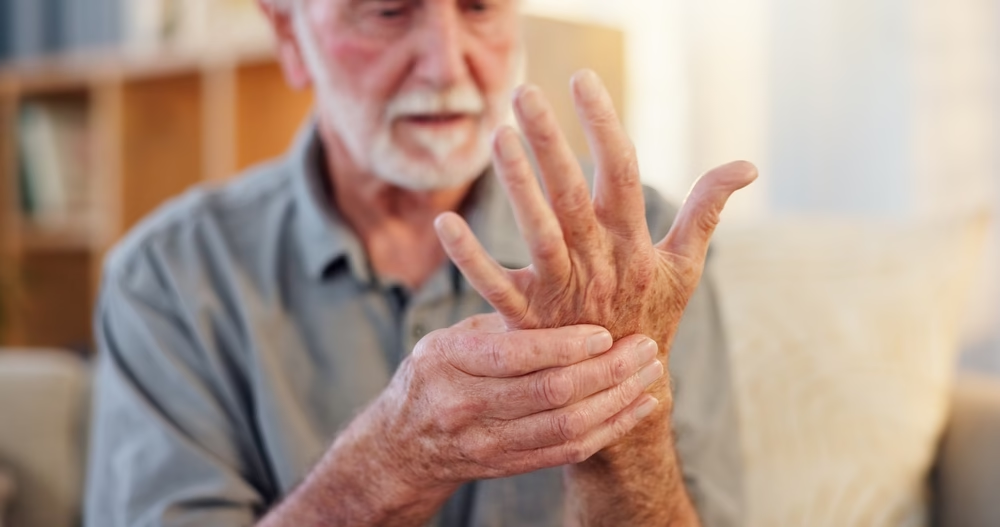
Comprehensive assessment of tremor, muscle rigidity and slowness of movement
View Treatment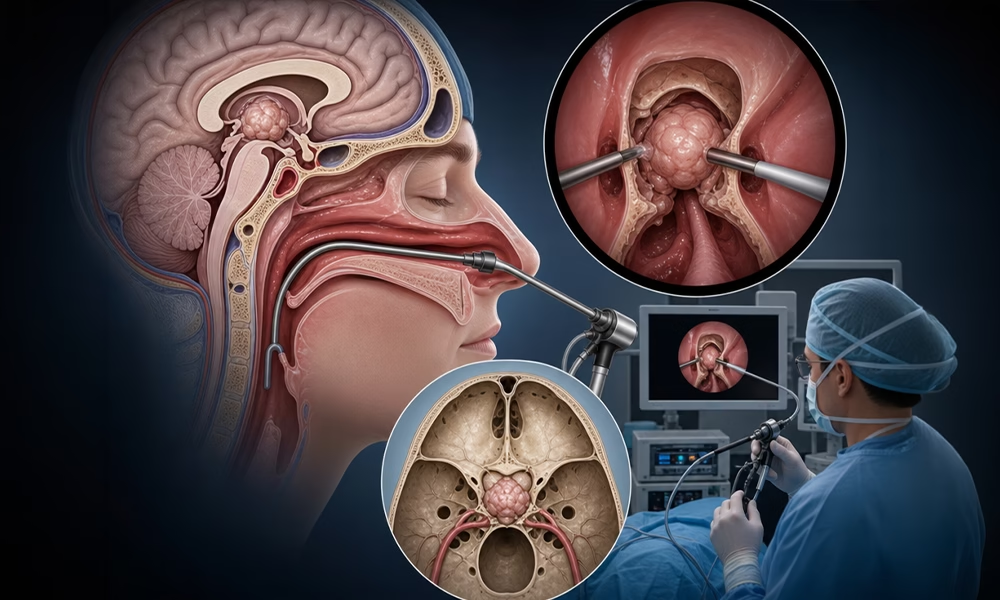
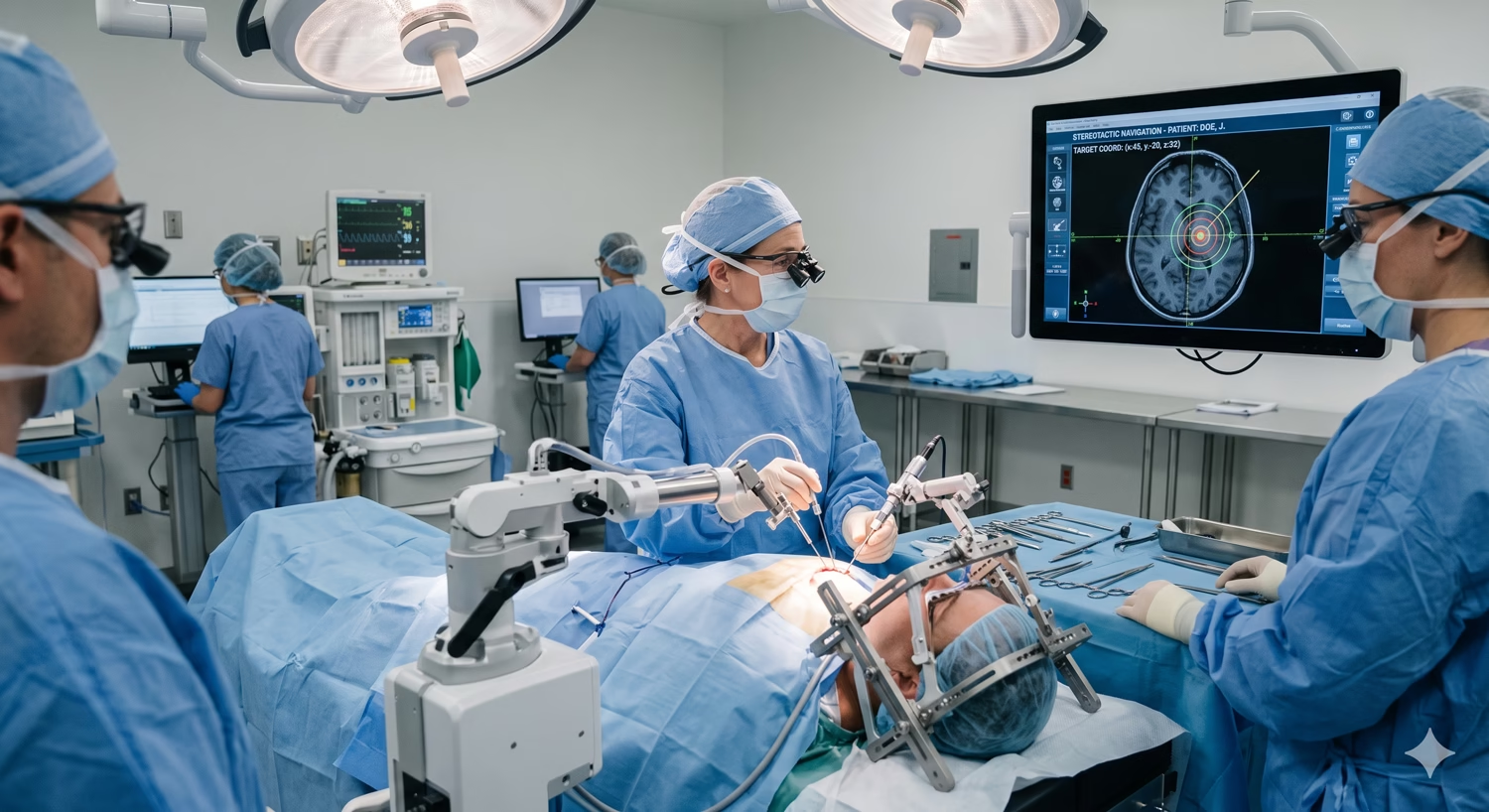
Stereotactic biopsy is a minimally invasive technique that takes tissue samples with millimetric precision from lesions found inside the brain that are risky or unnecessary to remove surgically
View Treatment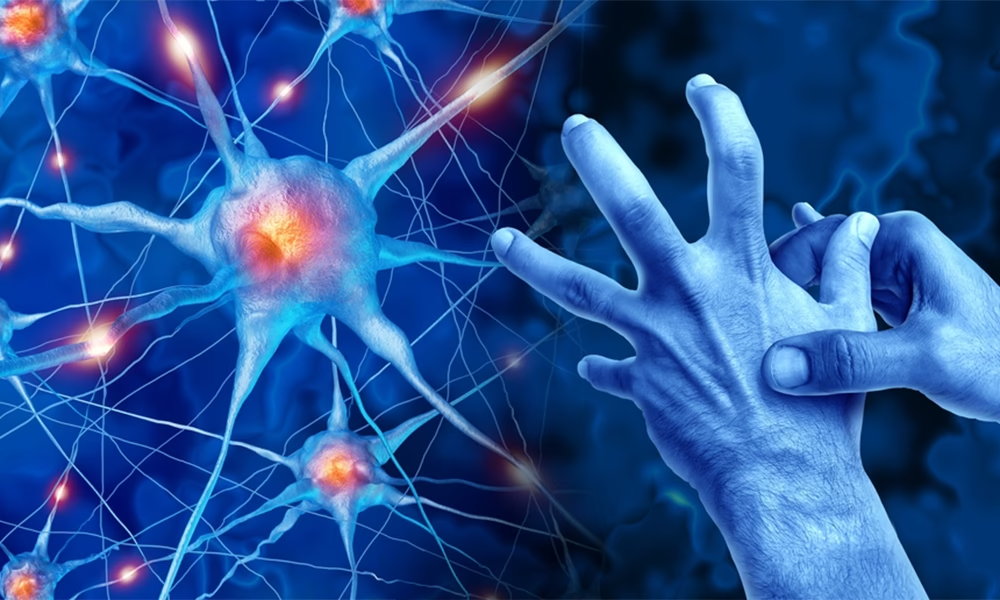
Neuroendoscopic surgery is a minimally invasive method performed through the brain's natural cavities (the ventricles) and channels with the help of a slender camera (endoscope), without the need for a large skull opening.
View Treatment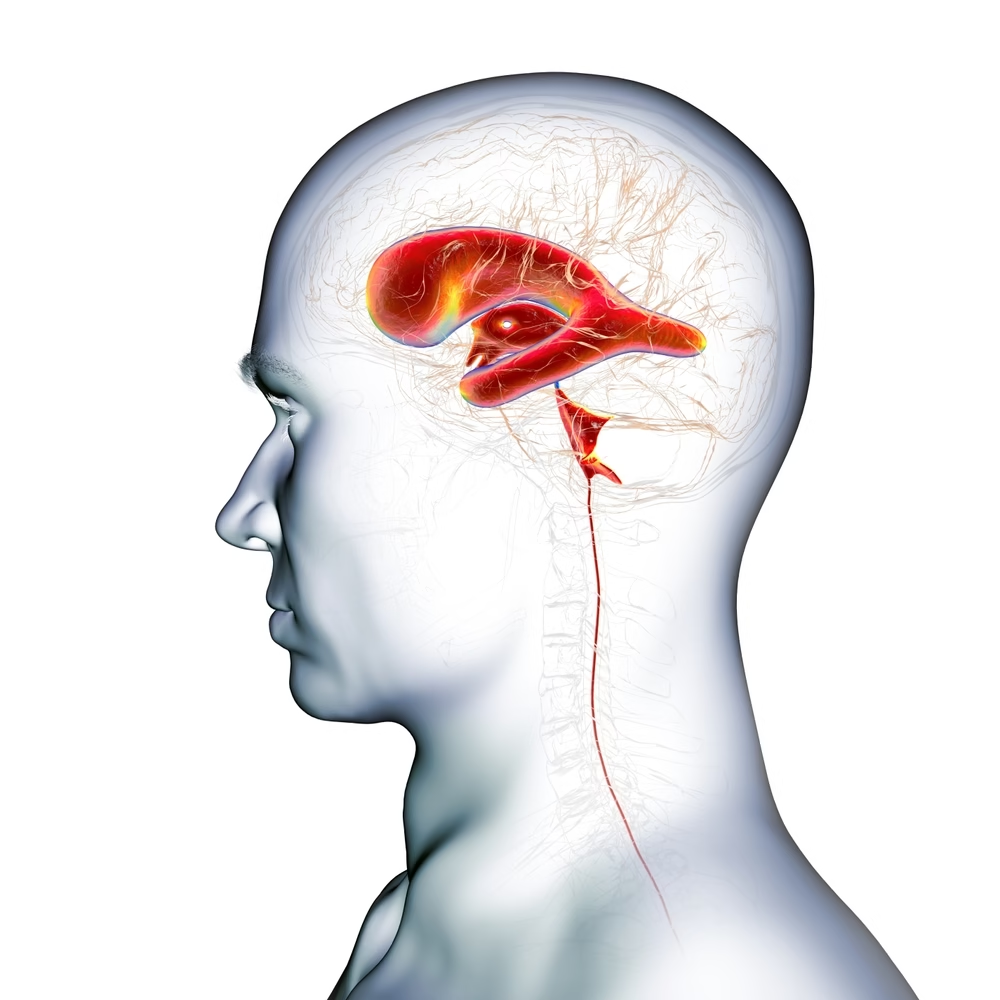
Treatment of cerebrospinal fluid build-up with shunt and endoscopic (ETV) methods
View TreatmentDeep Brain Stimulation
What is Deep Brain Stimulation (DBS)?
Deep brain stimulation (DBS) is an advanced surgical treatment used in movement disorders — chiefly Parkinson’s disease, but also dystonia and essential tremor — when medication is no longer sufficient. Electrodes placed in target areas of the brain regulate abnormal neural activity, substantially reducing symptoms such as tremor, muscle contraction and slowness of movement.
With more than 15 years of experience as a neurosurgeon, Prof. Dr. Hayri Kertmen focuses on the surgical treatment of movement disorders, particularly deep brain stimulation (DBS).
Deep Brain Stimulation
DBS Surgery Before and After
The change in movement before and after surgery
The goal of brain pacemaker surgery is to ease daily life again by reducing symptoms such as tremor, muscle spasms and slowness of movement.
In these videos you can watch the change in movement of patients treated by Prof. Dr. Hayri Kertmen, before and after surgery.
Learn about DBS treatmentResults of any surgical or interventional procedure may vary from person to person.Parkinson's and DBS
Frequently Asked Questions
What is Parkinson's disease?
Parkinson’s disease is a progressive neurodegenerative condition that arises as the dopamine-producing nerve cells in the brain are gradually damaged. Dopamine is a key neurotransmitter that allows movement to be smooth and well regulated; as these cells decline, the brain’s motor control system deteriorates.
The most common symptoms are:
- Tremor at rest (usually one-sided, starting in the hand)
- Muscle rigidity
- Slowness of movement (bradykinesia)
- Impaired balance and gait
The disease usually appears after the age of 60, although “young-onset Parkinson’s” forms beginning in the forties and fifties also occur. Its exact cause is not fully known, but genetic predisposition and environmental factors are thought to act together.
What is deep brain stimulation?
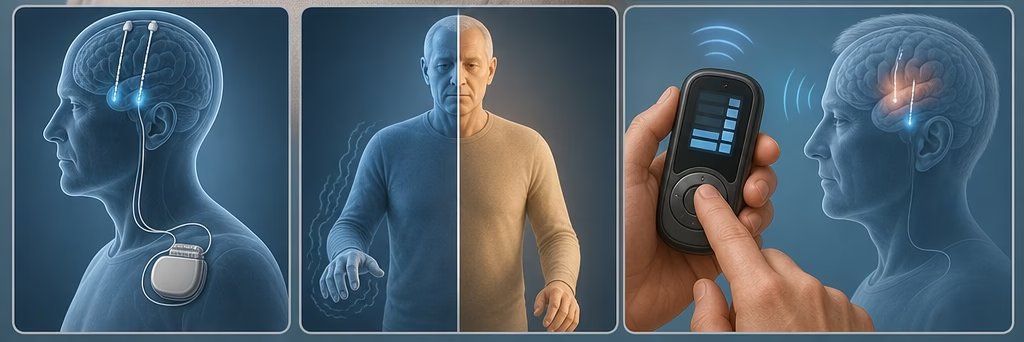
Deep brain stimulation, or DBS, is a neuromodulation treatment based on delivering continuous, regular electrical stimulation through fine electrodes placed in the deep structures of the brain responsible for motor control.
The system has three main components:
- Electrodes: fine leads placed surgically in the target area of the brain
- Extension cables: cables tunnelled under the skin that connect the electrodes to the battery
- Neurostimulator (the battery unit): the device that generates the stimulation, usually placed below the collarbone
By regulating abnormal neural activity, the system substantially reduces Parkinson’s symptoms such as tremor, contraction and slowness of movement. It is a reversible treatment: stimulation can be stopped or the system removed if required.
When is DBS needed in Parkinson's disease?
DBS comes onto the agenda when medication is no longer sufficiently effective, or when the side effects of medication seriously undermine quality of life. One or more of the following may indicate that a specialist opinion on DBS is warranted:
- Tremor or muscle rigidity that cannot be controlled despite medication
- Irregular fluctuation of the medication’s effect through the day (on–off fluctuations)
- Involuntary movements (dyskinesia) becoming pronounced as doses are increased
- Marked limitation in daily activities such as writing, eating and dressing
- At least four to five years having passed since the Parkinson’s diagnosis
The timing and suitability of DBS are determined individually, following a comprehensive assessment carried out jointly by neurology and neurosurgery specialists.
Which Parkinson's patients may not be suitable for DBS?
DBS is not suitable for every person with Parkinson’s. The following are the main factors that limit suitability:
- Advanced dementia or severe cognitive impairment: DBS targets motor symptoms; it does not improve cognitive decline, and adaptation after surgery can be difficult where dementia is present
- Uncontrolled psychiatric illness: conditions such as severe depression or psychosis must be stabilised before surgery
- No response to levodopa: a good response to levodopa is the single most important predictor of a successful outcome; without it, results may be limited
- Atypical parkinsonism (Parkinson-plus syndromes): diagnoses such as PSP and MSA produce symptoms similar to Parkinson’s but do not respond to DBS, which is why a diagnostic period of at least four to five years is observed
- General health problems that preclude surgery: such as an uncontrolled bleeding disorder or active infection
Is there an age limit for DBS surgery?
There is no strict age limit for DBS surgery. Age alone is not a deciding criterion; what is really assessed is the patient’s general health, cognitive capacity and fitness for surgery.
As a general framework:
- In older patients (over 70), cognitive status and general health are evaluated more carefully
- In younger patients (under 50), a rechargeable battery offers a longer-term advantage
- Successful results can be achieved in older patients who are in good general health and whose cognitive capacity is preserved
The final decision is made by weighing each patient’s clinical findings together with their living circumstances.
How is the decision to perform DBS surgery made?
The decision on DBS is not made by a single physician but follows a comprehensive assessment by a multidisciplinary team. The process consists of these stages:
- Neurological assessment: confirming the Parkinson’s diagnosis, establishing the stage of disease and measuring the levodopa response
- Neuropsychiatric assessment: screening of cognitive status and psychiatric profile
- Neurosurgical consultation: surgical planning, definition of the electrode target and risk assessment
- Imaging: examining the anatomy and target area with brain MRI
- Informing the patient and family: detailed discussion of expectations, risks, the process and the alternatives
This assessment usually spans several weeks. The aim is to identify not only the right patient, but also the right timing.
What should be expected from DBS treatment?
DBS does not cure Parkinson’s disease, nor does it halt its progression. In suitable patients, however, it can bring a marked and lasting improvement in quality of life.
Realistic expectations are:
- A clear reduction in tremor, muscle rigidity and slowness of movement
- Longer “good” periods during the day (on time)
- The possibility of reducing medication doses and the side effects that come with them
- Greater independence in daily activities
Where DBS has limited effect:
- Its impact on speech and swallowing difficulties is more restricted
- Balance problems and freezing episodes that do not respond to medication generally do not improve
- It does not target cognitive or psychiatric symptoms
For this reason, expectations should be discussed openly with the patient and their family before surgery, and a realistic picture drawn.
How is DBS surgery performed?
DBS surgery is usually carried out in two stages:
- Stage 1 – Electrode placement: MRI and CT images are merged to define the target area of the brain (usually the subthalamic nucleus) with millimetric precision. A small opening is made in the skull and fine electrodes are placed in this area. In some centres this stage is performed with the patient awake; real-time feedback from the patient helps confirm that the electrode is correctly positioned.
- Stage 2 – Battery placement: under general anaesthesia, the neurostimulator is placed under the skin below the collarbone. The electrodes are connected to it by cables tunnelled under the skin.
- Stage 3 – Programming: a few weeks after surgery, the stimulation parameters (frequency, amplitude, pulse width) are optimised according to the patient’s response. This stage may take several sessions.
The whole process is conducted through a multidisciplinary approach, with neurosurgery, neurology and, where needed, neuropsychology working together.
What happens after DBS surgery?
The period after surgery consists of four main stages:
- Discharge from hospital: most patients go home two to four days after surgery. Wound care and avoiding heavy physical activity are advised during the first weeks.
- Programming sessions: the device is switched on two to four weeks after surgery and the parameters begin to be adjusted. Optimisation usually takes a few months, during which regular follow-up appointments are necessary.
- Adjusting medication: as the effect of the device stabilises, drug doses may be reduced gradually under medical supervision.
- Long-term follow-up: programming may need fine-tuning over time. Non-rechargeable batteries are replaced every three to five years, rechargeable ones every nine to fifteen years. Long-term follow-up continues with annual checks and MRI scans where required.
Many patients experience a period in the first years after surgery in which symptoms are greatly reduced. As the disease follows its natural course, fine adjustments may be needed in later years; regular neurology and neurosurgery follow-up is therefore an inseparable part of the treatment.
The Four Most Important Benefits of DBS Treatment
Substantially Reduces Motor Symptoms
In Parkinson's disease, essential tremor and dystonia, tremor, muscle rigidity, slowness of movement and involuntary contractions can be brought under clear control with DBS.
Reduces the Need for Medication
DBS allows drug doses to be lowered considerably, making it possible to avoid the side effects of long-term medication such as dyskinesia and on–off fluctuations.
Improves Quality of Life
Through its positive effect on mobility, sleep patterns and day-to-day independence, DBS contributes directly to patients feeling better socially and psychologically.
Effective in Patients Who Do Not Respond to Other Treatments
In cases of Parkinson's disease, OCD and Tourette syndrome whose symptoms cannot be controlled despite medication, DBS offers an effective solution.